
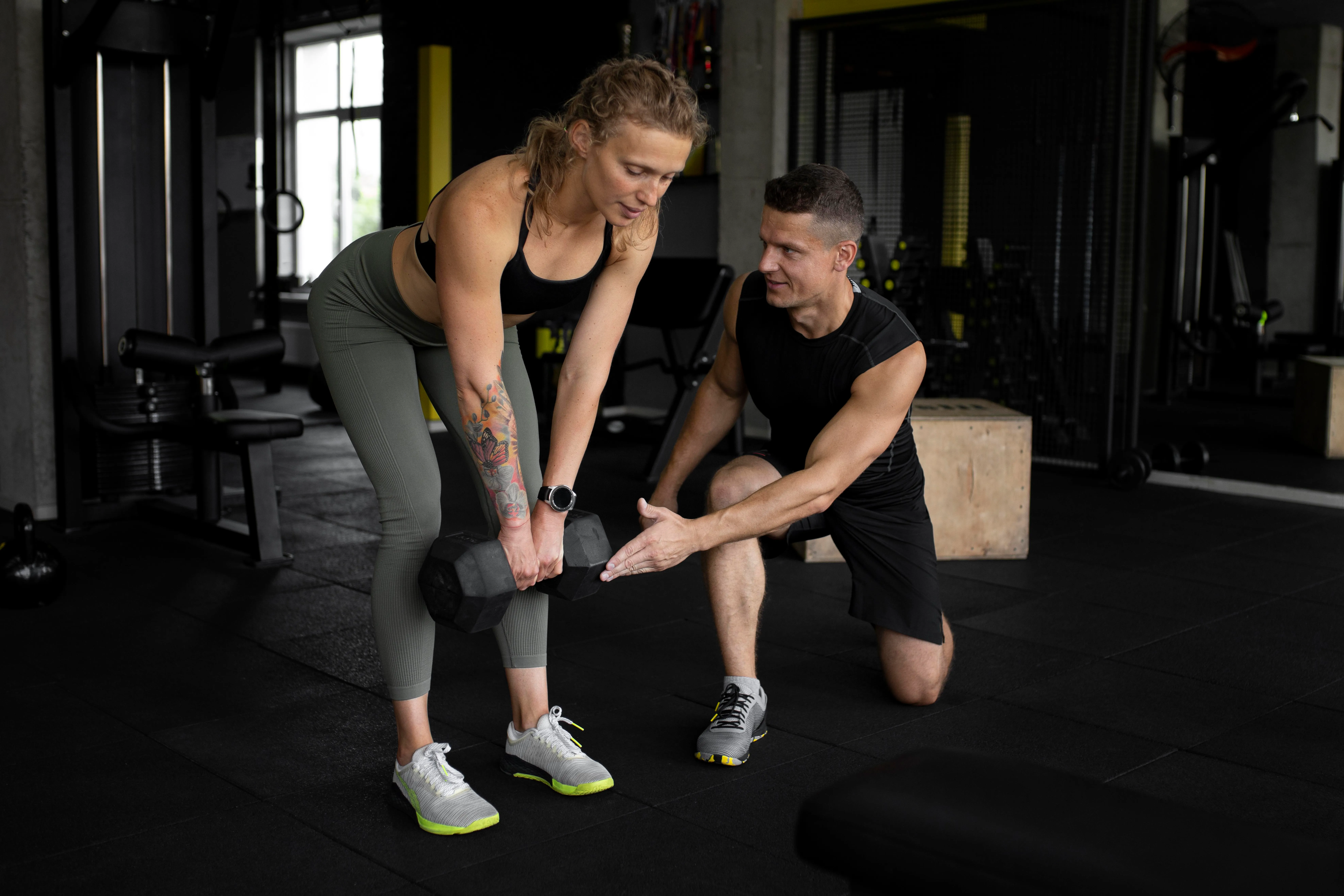
Where hip pain comes from
The hip joint carries the weight of the whole trunk, and while running it takes loads several times your body weight. It is surrounded by a strong group of gluteal muscles whose tendons attach to the greater trochanter – the bony bump you can feel on the outer side of the hip. These tendons are the most common source of what patients describe as hip pain.
The second source is the inside of the joint itself: restricted internal rotation, femoroacetabular impingement or degenerative changes. The symptoms are then different – the pain sits deeper, in the groin, and gets worse when you twist the trunk over the loaded leg.
What tells the two apart
Gluteal tendon pain builds up when you lie on your side, when you stand on one leg and after a long walk, and you can point to the painful spot with one finger on the side of the hip. Pain from inside the joint is usually shown with the hand cupped in a C shape around the groin, and it normally comes with a clearly reduced range of motion.
The third possibility is symptoms referred from the spine. That is why the assessment also covers the lumbar section – if that is what generates the symptoms, the management looks different from typical lower back pain.
What treatment looks like
At the first visit we take a history and examine you, and then move straight into treatment – manual therapy for the joint, soft tissue work on the buttock and thigh, and learning positions that take load off the irritated structure. You leave with specific advice for the next few days, including how to sleep and how to stand at work.
The following weeks are mainly about working with load. Tendons only rebuild their capacity when they get a strength stimulus – we choose the exercises so that symptoms after training do not last longer than a day. With irritated gluteal tendons the realistic timeframe is usually 6–12 weeks. This is not a problem that goes away after two massages, but run consistently it settles in the large majority of people.
Standing work and daily habits
If you stand for several hours a day, the hip is loaded asymmetrically – we usually shift the weight onto one leg and hang on the passive structures. The simplest change is to spread your weight deliberately across both feet and to change position every ten minutes or so. It is also worth checking two habits that come up most often in the clinic: sitting with your legs crossed for several hours a day, and sleeping on your side without a pillow between the knees. Both keep the hip in adduction, which is exactly the position that compresses the gluteal tendons against the trochanter. Changing those two things costs nothing, and in some people it clearly reduces night and morning symptoms even before the training starts to work.
The rest – choosing the exercises, dosing the load and planning your return to running or strength training – we set out at the visit. We do not promise the pain will disappear after one session. We promise you will leave it knowing where the pain comes from and what to do about it over the coming weeks.