
Tennis elbow and golfer’s elbow
Both names describe the same mechanism on two sides of the joint. Tennis elbow is an overload of the wrist extensor attachment on the outer side of the elbow – it hurts when you grip, straighten the wrist and lift objects with the back of the hand facing up. Golfer’s elbow affects the wrist flexors on the inner side and causes pain when you squeeze hard and bend the wrist.
The names are misleading, because athletes are a minority of our patients. Far more often we see people after a few days of home renovation, after a change of training plan at the gym, or after long hours at a mouse in an awkward position.
Why rest alone is not enough
A tendon responds to load – and it copes just as badly with too much of it as with none at all. A few weeks of sparing the elbow usually reduces the pain, but it also lowers the tolerance of the tendon. Once you go back to your normal activities the symptoms return, often stronger than before.
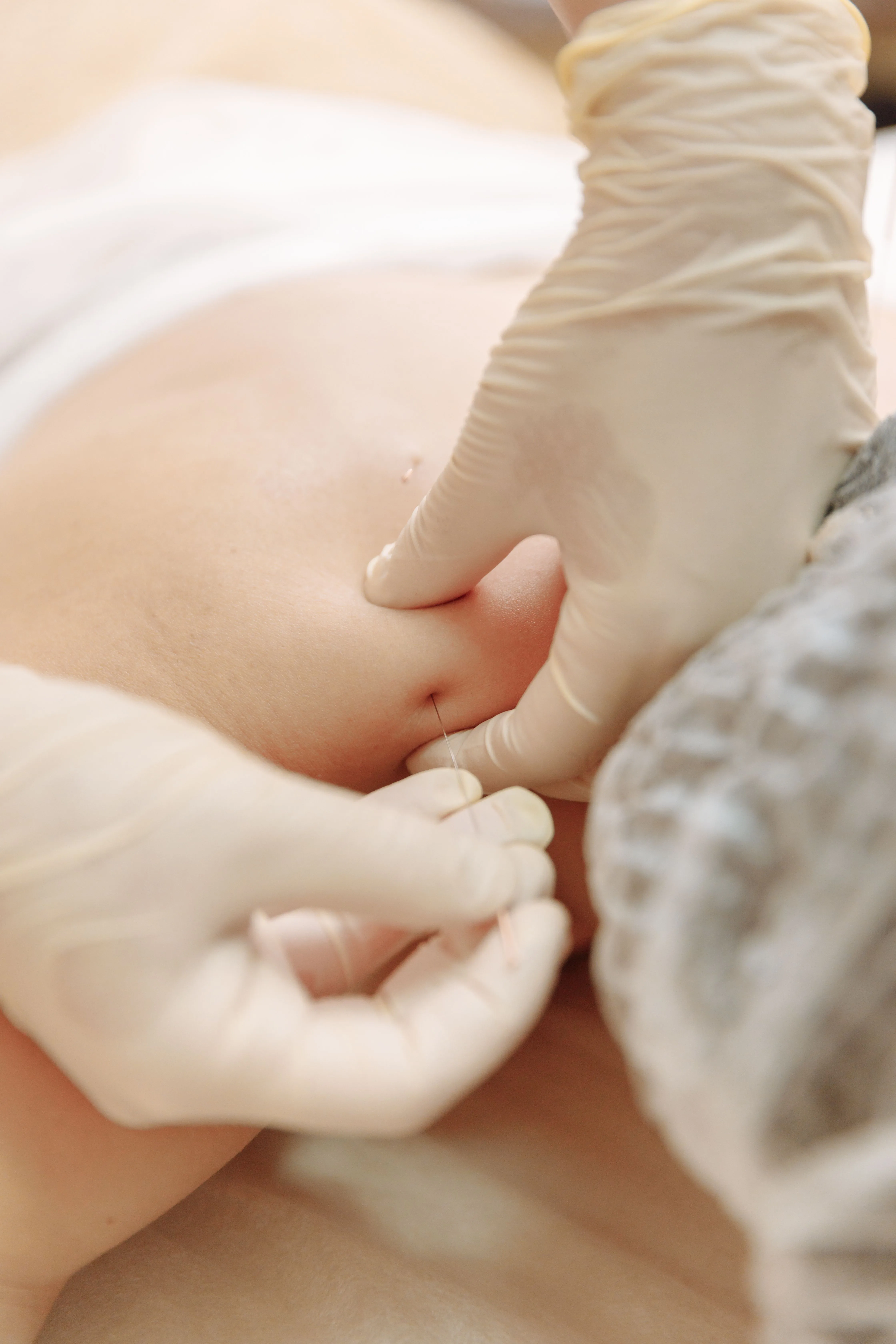
That is why resisted exercise in a controlled progression is the key part of treatment. We set the dose so that the tendon gets a stimulus to remodel without being irritated beyond what it can take. Manual therapy and dry needling help reduce pain and tension at the stage where exercise alone would be too painful.
What we look for beyond the elbow
The elbow itself is rarely the only culprit. We check the strength and control of the shoulder girdle, because a weak shoulder means the forearm takes on more work than it should. We assess the range of motion of the wrist and of the neck – pain referred from the neck can imitate elbow symptoms. If the assessment points to a problem higher up, we also work on the shoulder.
For desk work, the way you hold the mouse and the height of the desk matter as well. A wrist held in slight extension for eight hours means constant tension in the same extensors that then react painfully to any extra effort after work.
What to expect
The first effects – less tenderness and a better grip – usually appear within two to three weeks. A full return to lifting heavy or to racket sports normally takes longer, because tendon remodelling is a slow process. Two things have the greatest influence on the pace: how consistently you exercise, and whether in the meantime you manage to reduce the factor that caused the overload. We discuss that second point at the first visit – details of how to book are on the Contact page. Without that change, even well-run exercise often only quietens the symptoms for a while.